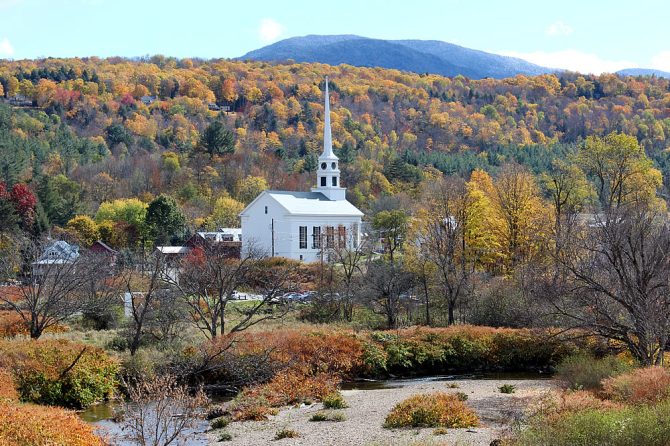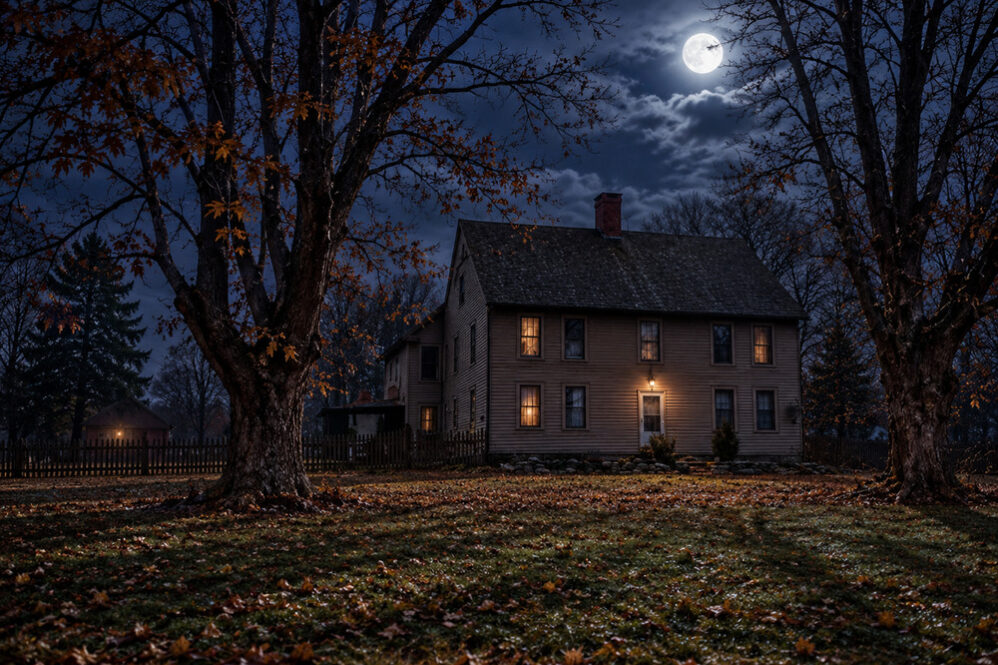
Among the old stories of Cavendish is the legend of the Wheelock farmhouse, an early Vermont home later associated with unexplained activity and the ghost of Jonathan Wheelock.
For many years, the tale has been repeated in a way that blends several generations of the Wheelock family together. A closer look at the historical record shows that the real story is more complicated, and in some ways more interesting, than the familiar version.
Deacon Jonathan Wheelock was born in Shrewsbury, Massachusetts, on September 18, 1727, the son of Gershom Wheelock and Abigail Flagg Wheelock. In 1753 he married Anna Drury, and together they raised seven children. During the Revolutionary era, the family lived for a time in Peterborough, New Hampshire, where Jonathan served on the local Committee of Safety. He later settled in Cavendish, Vermont, where the Wheelocks became established landowners.
Family History
Family histories describe Jonathan as owning a large amount of land in Cavendish and dividing portions of it among his children. His surviving will confirms that he owned a dwelling house and property there. Written in December 1797, the document refers to “the dwelling house I now live in,” grants his wife Anna the use of half the house, cellar and well during her lifetime, leaves 55 acres in Cavendish to his son Jonathan, and gives half of the dwelling house to his son John Gleason Wheelock. The will also includes a bequest to the Congregational Church of Christ in Cavendish.
Death of Jonathan Wheelock
Deacon Jonathan Wheelock died on October 21, 1798, at the age of seventy-one. That date is important because later versions of the haunting often claim that he died on August 13, 1842, sometimes adding that he was killed in a violent accident. The 1842 death actually belonged to his son, also named Jonathan Wheelock. Somewhere in the retelling of the story, father and son appear to have been confused.
Newspaper probate notices from 1844 make the distinction even more important. They refer to the estate of Jonathan Wheelock, late of Cavendish, and describe property he owned at his death as his “Homestead Farm.” The same notice places the property near land belonging to John Adams and the “Jotham Wheelock Farm.”
This shows that the younger Jonathan also had a recognized homestead in Cavendish, raising an obvious question: was the house later said to be haunted actually the home of Deacon Jonathan, his son Jonathan, or another Wheelock residence that gradually became associated with the better-known family patriarch?
Was the Wheelock House Haunted?
The Wheelock House nevertheless became part of Cavendish ghost lore. Later accounts describe objects being moved from where they had been left, items falling from shelves without apparent cause, and shadowy or human-shaped figures seen inside the house or near its windows. The Cavendish Historical Society has also acknowledged the Wheelock House as one of the town’s properties traditionally associated with ghost stories, though the exact origin and age of those supernatural claims remain uncertain.
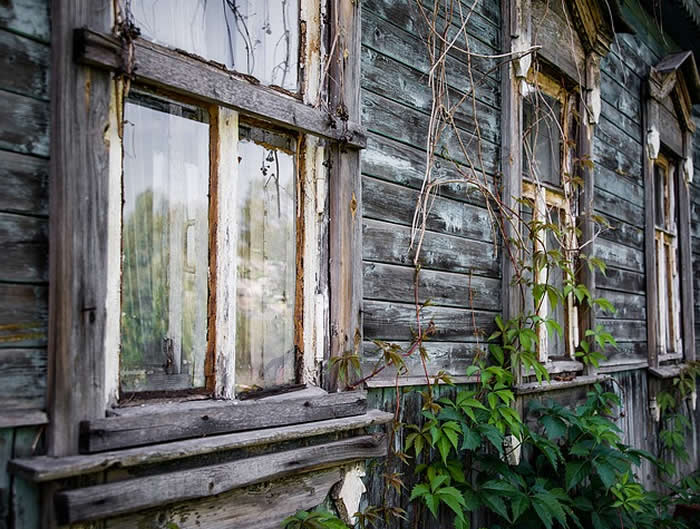
That uncertainty is part of what makes the story worth preserving. The Wheelocks were real people with deep roots in Cavendish, and surviving records confirm that there were multiple Wheelock farms and homesteads in the area.
What is less certain is how the haunted-house legend began, which house it originally referred to, and which Jonathan Wheelock was eventually identified as its ghost.
Does the legend still contain a mystery?
Perhaps the most accurate conclusion is that the legend still contains a mystery. Deacon Jonathan Wheelock died in 1798. His son Jonathan died in 1842 and owned a Cavendish property specifically described as his homestead farm. Over time, those facts appear to have merged with local ghost stories until one Jonathan became confused with another.
So the lingering question may not simply be whether the old Wheelock farmhouse was haunted. It may be something more intriguing: which Wheelock farmhouse was it, and whose ghost was people really seeing?